Online Company Stores: What Smart Businesses Need to Know in 2026
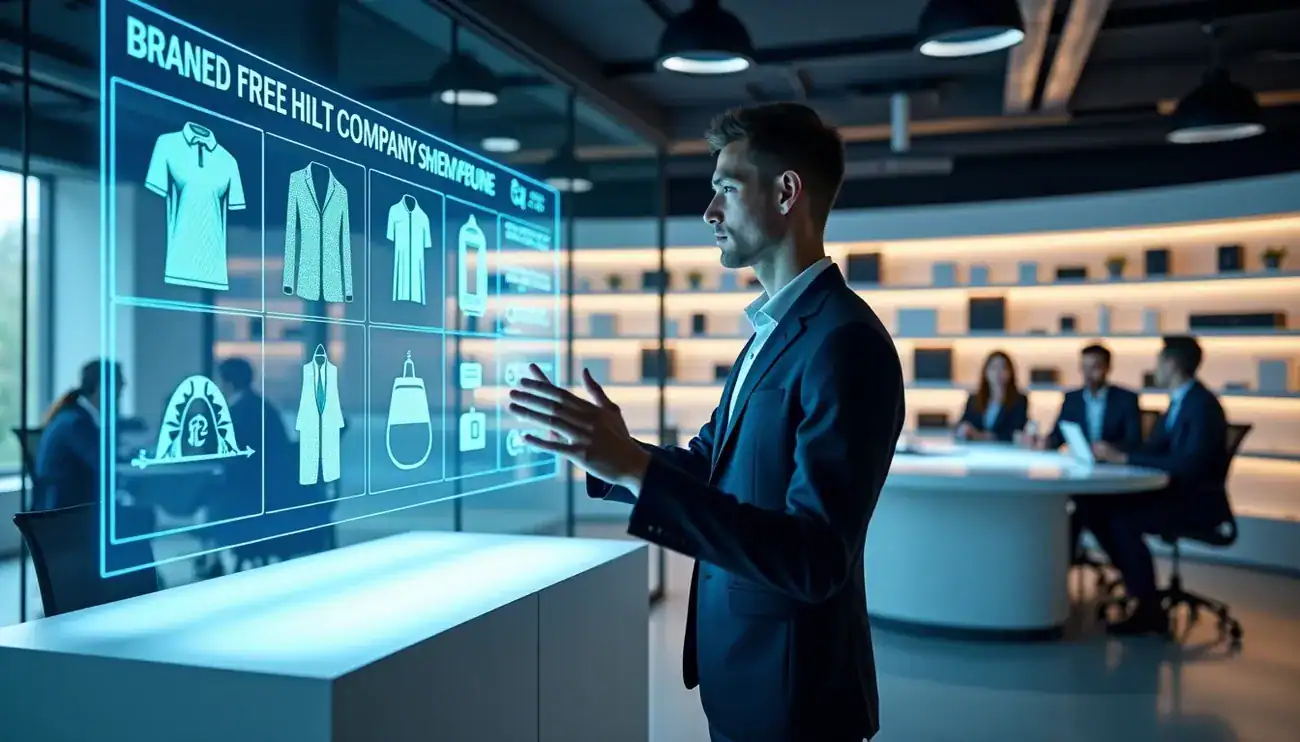 Online company stores have become essential tools for businesses looking to streamline branded merchandise management while maintaining consistent brand identity across their organization. In 2026, these specialized e-commerce platforms are transforming how companies distribute branded products to employees, clients, and partners.
However, despite their growing popularity, many businesses still struggle to understand the full potential and strategic advantages of implementing an online company store or swag store. Furthermore, choosing the right solution for your specific needs can be challenging with so many options available. Most companies that successfully leverage branded merchandise report significant improvements in brand consistency, employee engagement, and procurement efficiency.
Throughout this guide, we’ll explore everything smart businesses need to know about online company stores in 2026. You’ll learn what these platforms are, the key benefits they offer modern organizations, how they actually work, and practical strategies for managing inventory and fulfillment. Additionally, we’ll examine innovative use cases that can help your business maximize its investment in branded merchandise.
What is an Online Company Store?
Private storefronts designed for business needs have surged in popularity as companies seek better ways to manage their branded assets.
Definition and core purpose
An online company store is a private, customizable e-commerce platform specifically built for businesses to efficiently manage and distribute branded merchandise, uniforms, promotional items, and print materials. Unlike ordinary retail websites, these specialized platforms serve as centralized ordering systems where employees, departments, and franchise locations can purchase pre-approved products.
The core purpose of these digital storefronts extends beyond simple transactions. They exist to maintain brand consistency across an organization, control departmental spending, and significantly reduce administrative tasks associated with procurement.
Most online company stores include several essential features:
-
Custom-branded interface that showcases your unique brand identity
-
Automated approvals and spending controls to streamline purchasing processes
-
Mobile-friendly access allowing orders from any device
-
Centralized tracking and reporting providing insights into orders and spending
These specialized platforms function through a straightforward process. First, the store is set up with your branding and approved products. Next, authorized users receive secure login credentials. Then, users browse and select pre-approved items, which are either automatically approved or routed through approval channels before checkout and shipment.
How it differs from a regular eCommerce site
The primary distinction between an online company store and a conventional e-commerce site lies in its private, controlled nature. In contrast to public retail websites, company stores restrict access to authorized personnel through secure login credentials.
Moreover, these platforms feature specialized controls absent from standard e-commerce sites. For instance, administrators can restrict product visibility by department, job role, or location. They can also establish spending limits or pre-approved budgets for individual employees and require approval for certain purchases.
Another key difference is customization depth. Company stores are tailored to reflect specific brand identities, including logos, colors, and messaging that align precisely with corporate standards. This ensures all materials ordered maintain perfect brand consistency—an impossible feat with public e-commerce sites.
Notably, these platforms integrate specialized business functions like recurring orders for frequently used items, real-time inventory tracking, and detailed spending analytics—features rarely found in consumer-oriented online shops.
Who typically uses it
Online company stores serve a diverse range of organizations but particularly benefit businesses with specific operational needs.
First, they’re ideal for companies that frequently purchase branded merchandise, uniforms, or print materials and want to consolidate these orders for better pricing. Businesses with multiple locations or departments especially benefit from these platforms as they ensure brand consistency across all outlets.
Organizations looking to reduce administrative workload through automated workflows and self-service ordering represent another major user group. By eliminating manual ordering processes, these businesses free up valuable time for core activities.
Educational institutions and non-profits also leverage these platforms, often receiving special pricing and discounts. Many companies incorporate these stores into employee recognition programs, creating incentive systems with branded items or gift certificates.
Essentially, any organization that values brand integrity, procurement efficiency, and controlled spending can benefit from implementing an online company store as part of their operational infrastructure.
Key Benefits for Modern Businesses
Smart businesses that adopt online company stores experience multiple advantages that directly impact their bottom line and operational efficiency. The implementation of these specialized platforms delivers tangible benefits across various aspects of brand management and procurement.
Brand consistency across locations
Maintaining uniform brand presentation remains a persistent challenge for organizations with multiple offices or retail locations. Online company stores solve this problem by creating a centralized hub of pre-approved branded materials. By restricting access to only approved items, these platforms effectively prevent off-brand purchases that dilute corporate identity.
To maintain brand consistency for frequently ordered items standardized templates are used. Employees can customize business cards, flyers, and signage while adhering to established brand guidelines. This balance between personalization and standardization ensures all customer-facing materials maintain the same professional look regardless of which office or department creates them.
Cost savings through bulk purchasing
The financial advantages of online company stores are substantial. Companies typically save up to 30% on branded merchandise expenses through consolidated ordering and volume purchasing. This approach leads to lower per-unit costs across all product categories.
Beyond bulk discounts, these platforms eliminate costly rush fees by keeping frequently used items in stock. Improved inventory management consequently reduces waste and prevents over-purchasing. At the same time, administrative time savings from automated processes cut down on paperwork, manual order processing, and costly errors.
Streamlined procurement and approvals
Approval workflows represent another significant advantage. Managers can approve or reject purchase requests before processing, while automated spending limits prevent departmental overspending. The entire procurement process follows a simple, streamlined sequence:
First, the store is set up with custom branding and approved products. Next, employees gain secure access based on their role. Subsequently, users select pre-approved items, which then go through automated approval processes. Once approved, orders proceed to fulfillment and tracking.
Employee empowerment and self-service
Self-service capabilities fundamentally change how employees interact with branded materials. Staff members can browse real-time inventory, place orders independently, and track shipments—all without contacting the procurement department. This autonomy proves particularly valuable for remote workers who need immediate access to company materials.
Mobile optimization further enhances accessibility. Employees can shop and place orders from smartphones or tablets, ensuring branded resources remain available regardless of location or device preference.
Support for recognition and rewards programs
Online company stores seamlessly integrate with employee recognition initiatives. Platforms typically include tools like gift certificates, allowance dollars, and special coupons that help motivate employees while promoting the company brand.
Interestingly, many programs offer a cost-effective approach where companies pay for employee reward dollars only when redeemed, eliminating wasted expenditure on unused incentives. These recognition programs build positive company culture while reinforcing brand identity through thoughtfully selected merchandise.
Altogether, online company stores deliver a comprehensive solution that balances brand control with employee needs while optimizing procurement processes across the organization.
How Online Company Stores Work
Setting up and managing an online company store involves several interconnected processes that work together to create a seamless ordering experience. Understanding the operational framework helps businesses maximize the platform’s effectiveness for their branded merchandise needs.
Store setup and customization
The implementation of an online company store begins with a comprehensive setup process. Most stores are operational within 3-4 weeks, depending on your specific requirements and desired customization level. During this period, developers create a fully customized storefront that precisely reflects your brand identity.
Customization options extend beyond basic branding elements. Administrators can add their logo, incorporate brand colors, and craft custom messaging that aligns with company values. The interface design prioritizes user-friendliness while maintaining esthetic consistency with your company’s visual identity. Navigation menus and product categories can likewise be tailored to meet your organization’s specific needs.
Many providers build client stores at no cost, eliminating setup fees for qualified businesses. This approach makes implementation financially accessible even for organizations with limited budgets.
Product selection and branding
Once your store framework is established, the focus shifts to product selection and branding options. Online company stores support a wide range of products including:
-
Branded apparel (t-shirts, polos, jackets)
-
Promotional items (mugs, pens, tote bags)
-
Printed materials (business cards, flyers, banners)
-
Safety and compliance items (signage, labels, protective gear)
Pre-loaded templates for frequently ordered items like business cards and flyers allow employees to customize materials while adhering to brand guidelines. This functionality balances personalization with standardization, ensuring all customer-facing materials maintain consistent quality.
For businesses concerned with sustainability, eco-friendly product options are increasingly available, including apparel made from post-consumer recycled plastics and other environmentally responsible merchandise.
Store access and administration controls
Security and access management form critical components of online company store functionality. These platforms feature role-based access controls that allow administrators to:
-
Restrict product visibility by department, job role, or location
-
Set spending limits for individual employees or departments
-
Require approval for certain purchases before checkout
Access is controlled through secure login credentials, with spending authorization tied directly to user profiles. This structured approach prevents unauthorized purchases while giving appropriate access to necessary personnel.
Approval workflows and budget limits
Budget management represents one of the most valuable aspects of online company stores. Administrators can establish automatic spending limits per employee or department, with overspending requests routed through management approval processes. This ensures all purchases align with departmental budgets and organizational priorities.
These platforms offer multiple spending control mechanisms:
-
Pre-set budgets for uniforms, promotional products, or recognition gifts
-
Manager approval workflows for purchases exceeding certain thresholds
-
Automated spending limits organized by team or department
The approval process typically follows a streamlined sequence: users select items, the system routes orders through appropriate approval channels, and once approved, orders proceed to fulfillment and tracking. This systematic approach eliminates unregulated spending without creating administrative bottlenecks.
Through these interconnected systems, online company stores deliver both flexibility and control—enabling employees to access branded merchandise while ensuring organizational oversight of spending and brand consistency.
Managing Inventory, Orders, and Fulfillment
Efficient inventory management forms the backbone of successful online company stores, enabling businesses to maintain optimal stock levels while processing orders seamlessly. Behind the sleek storefront interface lies a sophisticated system that tracks, fulfills, and ships branded merchandise to employees and locations worldwide.
Real-time inventory tracking
Modern online company store platforms include comprehensive tracking features that allow administrators to monitor inventory levels in real-time. This visibility helps prevent stockouts or overstocking of popular items. The tracking system generates custom reports that analyze spending patterns and product usage across departments or locations. Through detailed analytics, businesses can make data-driven decisions about which products to stock and in what quantities, ultimately optimizing their merchandise investment.
Recurring orders and automation
For frequently used items like uniforms, office supplies, or promotional materials, online company stores offer convenient recurring order capabilities. This automation ensures teams always have essential branded items on hand without requiring manual reordering. Preset schedules can be established for different product categories, eliminating the administrative burden of tracking inventory depletion. As a result, companies avoid last-minute rush fees that typically accompany urgent orders.
Shipping options: direct vs. bulk
Flexibility in shipping arrangements represents a key advantage of these platforms. The two primary delivery methods include:
-
Direct-to-employee shipping where items are sent straight to individuals’ homes or offices
-
Bulk shipping where multiple items are delivered to a central location for internal distribution
Each approach offers distinct benefits depending on workforce distribution and item type. Many businesses utilize both methods based on specific situations or departmental needs.
Handling returns and exchanges
Online company stores typically feature flexible return and exchange policies for defective or incorrect items. Beyond standard policies, administrators can customize return parameters within the platform to match their organization’s preferences. This adaptability ensures the return process aligns with internal procedures while maintaining positive user experiences.
International shipping support
For global organizations, these platforms accommodate international shipping requirements, allowing employees worldwide to access branded merchandise. Furthermore, many providers offer bulk shipment programs specifically designed for international locations. Under these arrangements, orders from global offices are grouped together and shipped every few weeks, maximizing shipping discounts through consolidation. This approach balances cost efficiency with global accessibility.
Use Cases and Special Features
Beyond basic merchandise management, online company stores offer versatile applications that solve specific business challenges. These specialized platforms adapt to diverse organizational needs through targeted functionality.
Employee onboarding kits
New hire preparation becomes seamless through dedicated onboarding packages. Fresh team members can order uniforms, branded merchandise, and essential items before their first day, ensuring they arrive ready to represent your brand from day one. This proactive approach eliminates the awkward period where new employees lack company-approved attire or materials, creating a more professional first impression.
Event-specific merchandise
Temporary storefronts enable efficient management of event-related products. Organizations can create dedicated event shops allowing attendees to order branded items either in advance or during the actual gathering. This capability streamlines logistics for conferences, trade shows, and corporate retreats by centralizing merchandise ordering rather than managing it through separate channels.
Fundraising and charity campaigns
Custom storefronts effectively support charitable initiatives through merchandise sales. Companies can design specialized shops where proceeds from branded product purchases go directly toward chosen causes. This functionality transforms ordinary merchandise into purpose-driven items that reinforce corporate social responsibility while generating tangible support for worthwhile organizations.
Seasonal promotions and limited-time stores
Periodic marketing campaigns gain dedicated support through time-bounded shops. These limited storefronts feature special pricing and seasonal products aligned with specific marketing initiatives or holiday themes. The ability to create temporary stores prevents cluttering the main company store with short-term items while still providing organized access when needed.
Eco-friendly product options
Sustainability commitments translate into concrete product offerings through specialized merchandise. Many platforms now feature apparel made from post-consumer recycled plastics and other environmentally responsible items. These earth-friendly alternatives help companies align procurement practices with broader sustainability goals, offering cost-effective options that support environmental initiatives without sacrificing quality or brand presentation.
Conclusion
Online company stores stand as essential tools for forward-thinking businesses in 2026. Throughout this guide, we’ve explored how these specialized platforms transcend ordinary e-commerce sites by providing controlled access, brand consistency, and significant cost advantages through bulk purchasing.
Smart organizations recognize that these digital storefronts deliver value beyond mere merchandise management. They fundamentally transform procurement processes while empowering employees through self-service capabilities. The streamlined approval workflows and budget controls certainly reduce administrative burdens while preventing departmental overspending.
The versatility of online company stores particularly shines through their diverse applications. From employee onboarding kits to event-specific merchandise and eco-friendly product options, these platforms adapt to numerous organizational needs. Additionally, the sophisticated inventory tracking and shipping options ensure businesses maintain optimal stock levels without unnecessary rush fees.
As branded merchandise continues growing in importance for corporate identity and employee engagement, implementing an online company store represents a strategic investment rather than just an operational decision. Companies that embrace these specialized platforms gain competitive advantages through enhanced brand control, procurement efficiency, and employee satisfaction.
The time has come for businesses still relying on fragmented ordering processes to make the shift. With typical implementation taking just 3-4 weeks and many providers building client stores without setup fees, the barriers to adoption have significantly decreased. Therefore, the question isn’t whether your company needs an online store, but rather how quickly you can implement one to stay competitive in 2026 and beyond.